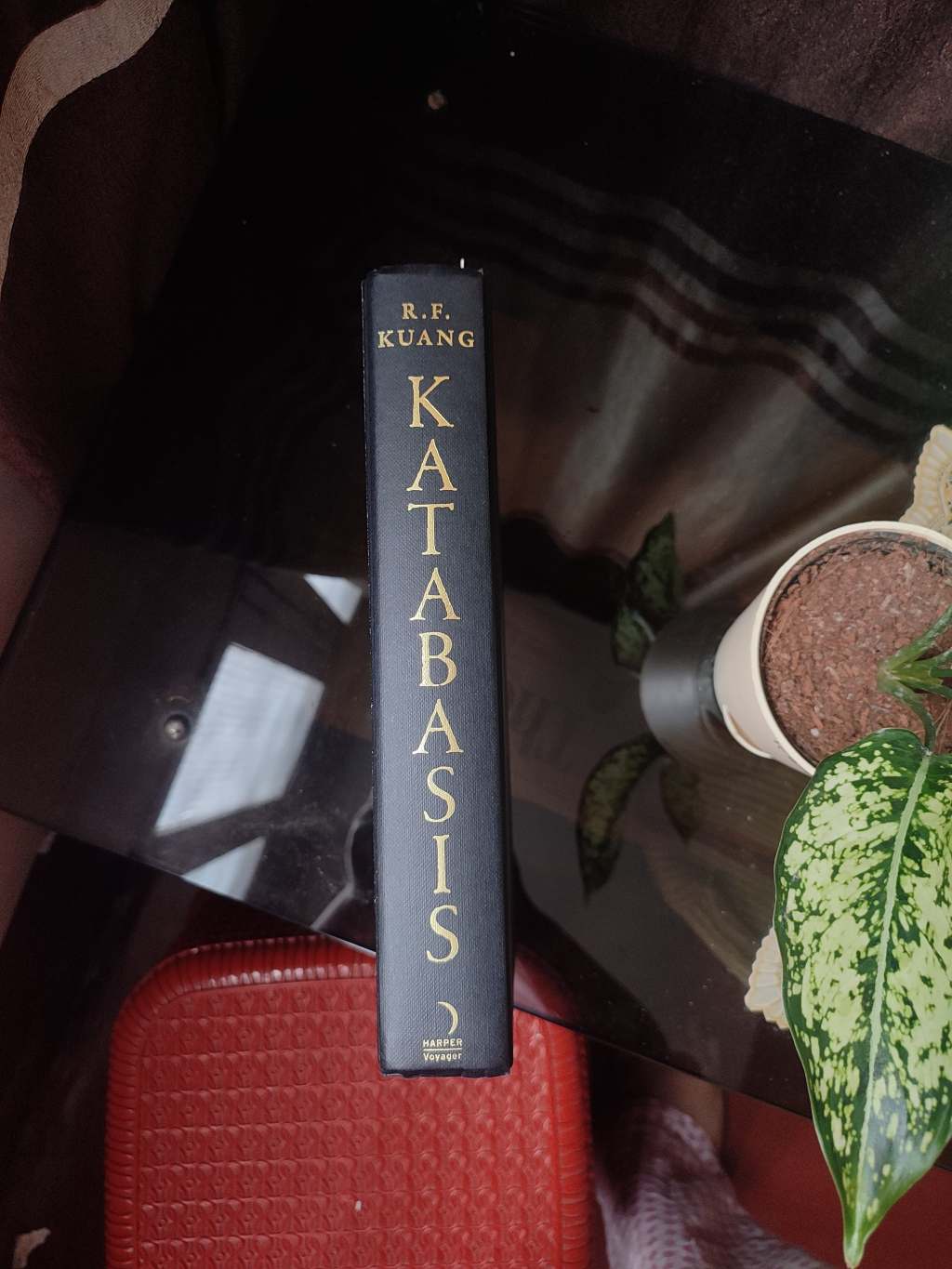
Is it surprising that the journey to Hell is not for everybody? Even the self-proclaimed most ardent Kuang fans.
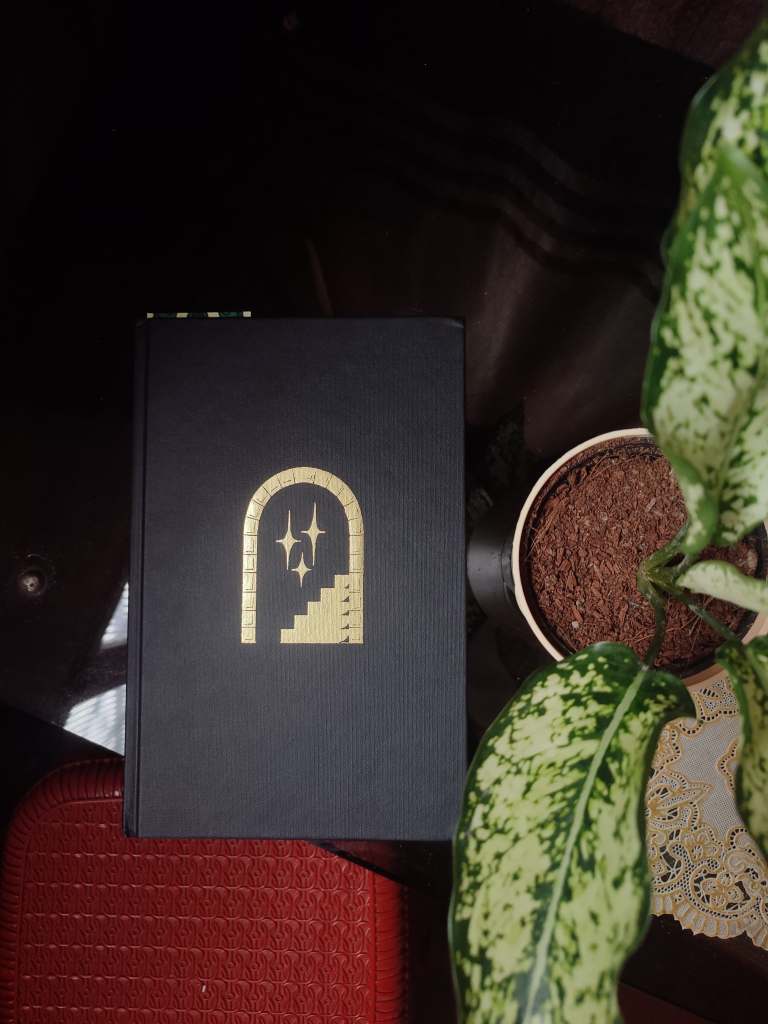
Hi, and welcome back to another book review. This one is one of my most anticipated books of the year, Katabasis by R. F. Kuang. This has been on my TBR since Rebecca probably posted about finishing her first draft, and I just had to splurge on a pre-order of a hardcover. So, for a change, the photos included are more than just book covers. With that out of the way, let’s descend into Hell.
I am not one to savour books. I am more of a binge-reader, stay up till 4 AM to finish reading a book kind of a reader. But I savoured this one. Almost read a chapter a day for the first 4 days and then just sucked right into this journey to hell.
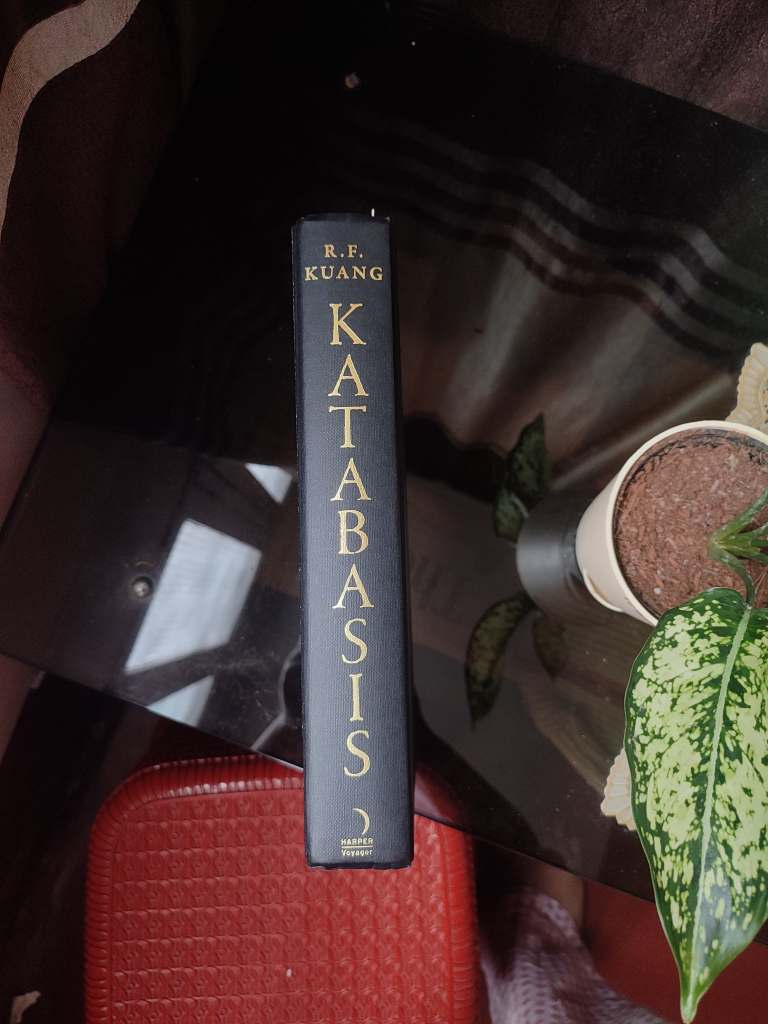
Kuang’s writing style doesn’t require my validation, but she is just as gripping in Katabasis as she has been in Babel, Yellowface and Poppy Wars (I have yet to read Book 3 of the series), if not even better. I like stories that begin in medias res anyway, and then add to that a frustrated grad student trying to bring back her professor because she needs to finish that dissertation and earn that recommendation, you have me hooked. However, it’s a niche setting. For people outside academia, this would seem like hyperbole, and I can’t blame them, but it is actually true. Academics would go to hell and back for all the right motivations, one of them being as small as a recommendation letter, even from a horrible professor with a lot of influence in the minuscule world of academia, is totally justified.
But Alice’s leap of glory is hijacked by Peter, who is adamant about joining her on the journey and considering all the knowledge he has deliberately hoarded away from Alice, Alice agrees to go along. But Kuang doesn’t miss any opportunity to highlight the discriminatory treatment of male and female students in academia and the underlying racism and casual colonial undertones present in the premier institutes of knowledge and learning. She is renowned for her in-your-face depiction of critiquing the systems, but this is more subtle, more seamlessly and cleverly integrated into the plot that you almost blink and miss.
So while it lacks the vigour of her typical writing, this one is her Inferno to savour. She is the writer I would trust to write dark academia after Donna Tartt, considering how informed her plot is by her own lived experiences. The writing strikes a balance between dealing with heavy topics of the deadly sins and sexual harassment in academia to the patent dry humour of a grad student dealing with an unbelievable situation.
But there’s more to the situation than initially meets the eye.
Alice has a secret, and so does Peter.
In the interest of not giving away the plot, I will not be revealing the impeccable way Kuang brings the story together and makes the reader question what hell is actually. The world-building is vast in this mammoth of a book and very gratifying. I was even left wanting more. There’s an all-knowing cat. There’s calling out the hypocrisies of high-brow academic society, and there’s scathing sarcasm throughout it all.
Proceed with caution if you’re in academia; you might find yourself mirrored here.
I am looking forward to a reread and annotating the pages out of this one.
Do let me know if you have read this book and what you thought about it!
 The Calcuttan Bibliophile
Leave a comment