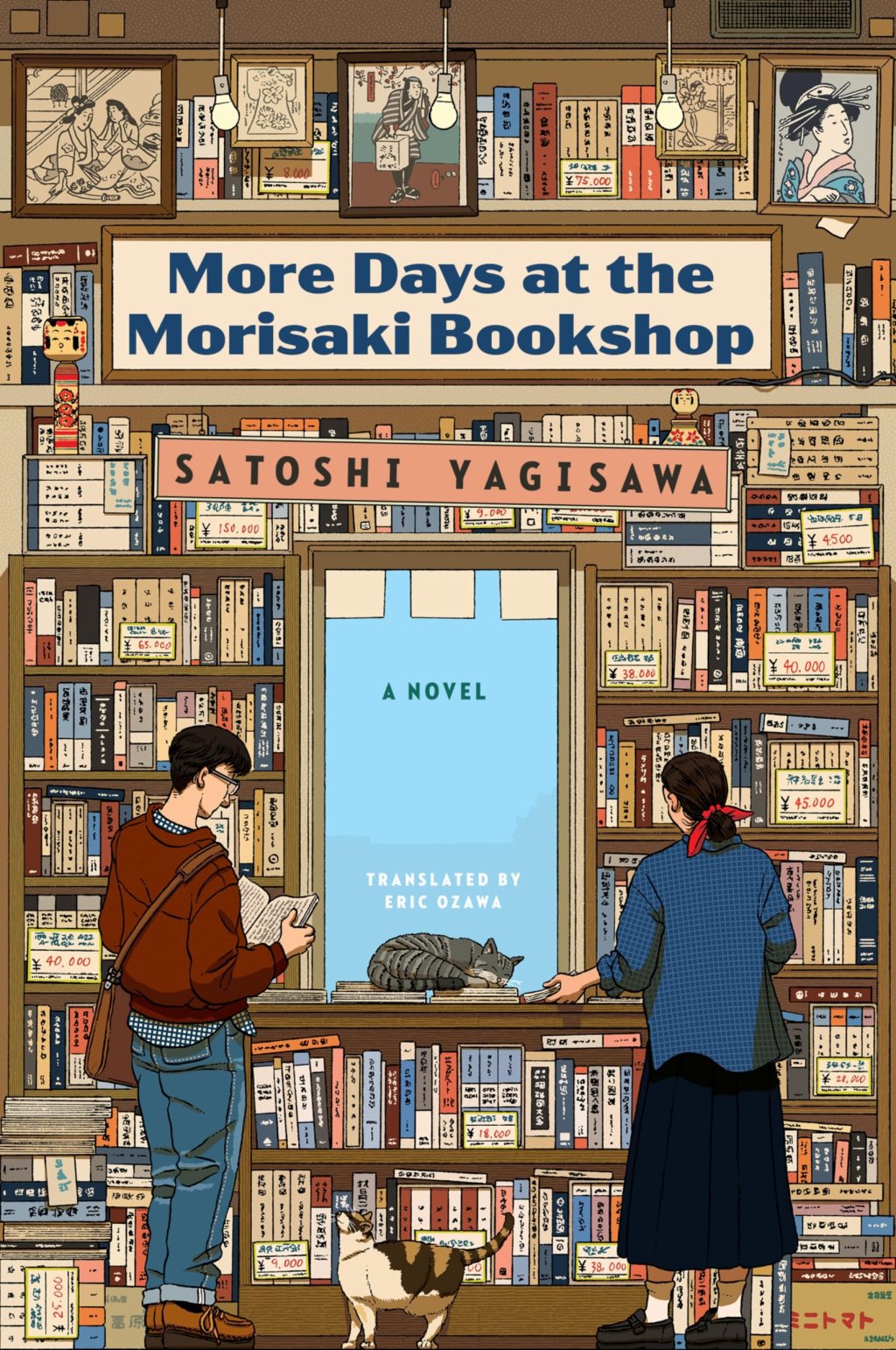
As the days turn gradually colder, I am reminded of the warm hug of a book that More Days at the Morisaki Bookshop by Satoshi Yagisawa is. I actually read it at the beginning of the year, coincidentally, when the weather was turning the other way. By the end of the year, I am still lost in the lanes of Jimbocho looking for a book to change my life.
Hi, everyone, welcome back to another book review. I have been more regular here with updates and you can expect to see more of those in the coming year as well. So, feel free to subscribe and keep up for the best book recommendations for you.
I had really enjoyed reading Days at the Morisaki Bookshop and obviously, was going to pick up the sequel. You can check out the review of Days at the Morisaki Bookshop here. This cozy story of healing and finding your way back to yourself is set in the second-hand bookstore neighbourhood of Japan’s Jimbocho. The place comes alive in the books and is now on my list of places to visit. Eric Ozawa’s translation does it more than justice in capturing the essence of the story and the daily lives of the characters.
This is a short read, like the first book, at about 160 pages and begins after about 3 months since Momoko’s return to Jimocho. You are instantly taken in by the sights and smells of the old bookshops from Takako, the protagonist’s, perspective.
Takako enjoying the quiet of the place on her visits to Jimbocho after how out of place she felt at the beginning of the first book feels like homecoming for the reader. Having overcome her emotional turmoils and her messy past, she is more observant of the little details of life in and around her uncle’s bookshop. This gets us more details on the readers visiting the shops and the books around her that she had scorned 3 years ago upon her arrival there.
The change is deliberate and notable here.
As the narrative focus shifts away from Takako, we get more slices of life from Jimbocho. From readers wandering in to regulars, the intriguing characters make for unique readers. Sabu, a regular at the Morisaki shop has become more of a family member. There are professors, rare book collectors, first edition collectors and even one author seal collector described as the patrons of the shop. The various kinds of books they peruse only serve to remind us how vibrant the reading community actually is.
Takako’s uncle, Saturo, with his immense interest in authors’ lives is a unique reader himself. Him annoying Takako with all the nitty-gritty details of the author’s life when she’s trying to read a book by the same embodies their playful relationship. As Takako comes to realise that knowing more about the author’s life helped her understand the book better, Saturo’s role in her life as a mentor is also highlighted.
Takako even talks about her boyfriend Wada as a reader and a colleague who doesn’t understand why she would regularly want to visit a bookstore. This touches upon how different people approach reading differently and initiates a conversation in itself which was a pretty clever way to move the plot along.
This people-watching is introspective as well. Takako measures her own growth against the canvas of others’ lives.
Tomo and Takano, two beloved characters from the first book, also make their appearance and add to the discourse of different readers and the very different kinds of books they read and the way they treat the hobby. I recommend reading the translator’s note to further shed light on this inghtful discourse.
As a comfort read, loss is an inextricable part of the plot for this book. The loss is even more pronounced in this installment. But what stood out was the community that helps the characters cope following the tragedies of life.
Healing literature has a bad reputation. I suspect it is because people read these books thinking they contain some kind of answers to the mindless, senseless tragedies of life. But this book highlights the point that reading, especially this genre of literature, is supposed to connect us to our feelings and face them head on. Maybe these books also help us connect with other people who are going through the same thing or feel the same way and we find comfort in the community.
In the plot, Takako had recuperated on the first floor of the bookshop when her life had taken a hit and the second book sees her making space for others in the bookshop in the hopes that they can find the same comfort she did there. Her character growth and the role of books in aiding that is remarkable.
My only complain, again, is that despite having a cat on the cover, the narrative did not feature any cats or even any mention of them. I am looking forward to reading more by the author and other other books in similar genre.
Do you read Japanese literature? What are your favourites?
Feel free to hit me up to chat about books across socials.

 The Calcuttan Bibliophile
Leave a reply to “Days at the Torunka Cafe” Book Review: Satoshi Yagisawa’s new cozy Japanese fiction – The Calcuttan Bibliophile Cancel reply