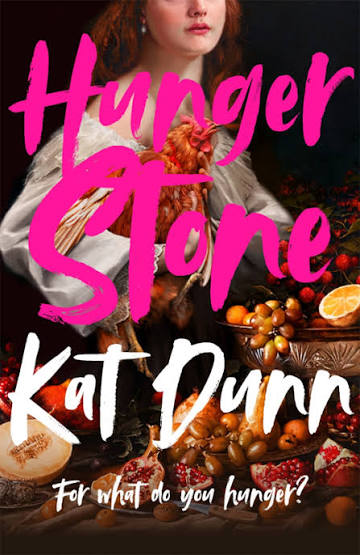
Vampires are back. I have been saying this for the good part of the last two years, but it really is Hungerstone by Kat Dunn that got me into reading Vampire fiction again. I was raised by Stephenie Meyer’s Twilight and adjacent fiction and now, I am back again for the gothic atmosphere and sapphic dynamics.
Henry and Lenore move to his new remote manor house, Nethershaw, to be close to his steel plant. In the backdrop of the Industrial Revolution, this marriage is struggling. Henry is distant and Lenore is focused on playing the role of the perfect mistress of the new house.
This transactional marriage was doomed from the beginning, her in need of money and him in need of a noble name. But this all came to a head when after a decade of their marriage there were no heirs to inherit Henry’s name. Lenore is insecure about losing Henry, she suspects him of wanting to divorce her as she failed to uphold her end of the bargain.

Nethershaw is the second chance for both of them. Henry wants to flaunt his wealth and has Lenore arranging for a hunt within weeks of arriving at the dilapidated manor. The setting is eerie, both the house and the landscape — moors, crags and lonely cliffs for miles.
On the way to Nethershaw, the couple comes across a carriage accident and rescue Carmilla from the carnage. This mysterious house guest is elusive but observant and as people start behaving weirdly in the town and bodies start to pile up, Lenore is suspecting her new companion.
The couple is bonded by their shared secrets. Lenore is helping Henry cover up what happened last time he went on a hunt. But Henry has more secrets. The web of lies intensifies as Lenore is constant left in the dark and Carmilla’s secrets are revealed to her.
This story is about a woman rediscovering her voice after being methodically shut up and shut into places. Henry tries to pull a “madwoman in the attic” trope but by then Carmilla has got her hooks in Lenore. While her bloody methods and devilish ways are questioned by Lenore, Carmilla represents freedom to her — freedom from the pretentions of society, from her husband and to explore her desires.
The plot is gothic in its intense atmospheric horror and the presence of Carmilla. But surprisingly, Carmilla is in the periphery of the plot. This is about Lenore, her taking back her agency and standing up her oppressors. Carmilla acts as a tool, the nudge Lenore needs. She gives voice to Lenore’s deepest, darkest thoughts and her most intimate desires.
Feminist in its leanings, Hungerstone is often compared to Emilia Hart’s Weyward, a favourite of mine. I came across Kat Dunn’s Hungerstone largely owing to this comparison and was not disappointed. I would recommend reading this book if you’re looking for both subtle vampiric books as well as horror with a haunted house at the center of it.
I recently collated a list of haunted house books and I would definitely like to include this book to that list as well.
Have you read Hungerstone by Kat Dunn yet? What is your favourite Carmilla retelling? Drop a comment.
Reach out to me to discuss books and request book reviews here and share your bookish thoughts.


Leave a comment