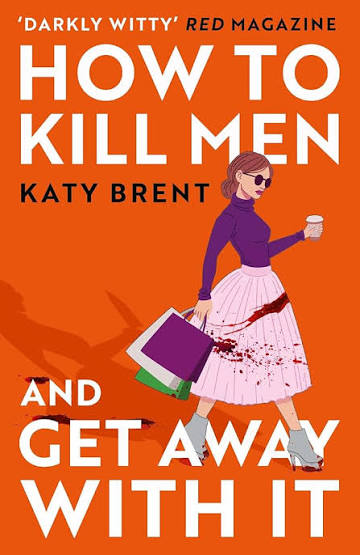
Don’t judge a book by its cover has been taken to the extremes with this title and you know what? I like it. I like the challenge it throws to the readers — do you even want to pick this up, do you even want to seem interested, do you want to know what this is about? — I like the social commentary it ultimately is and the complex character sketch Kitty Collins really becomes.
Hi, welcome back to another thriller book review. Today we are diving deep into the world of influencers, serious crimes and a self-proclaimed vigilante in How to Kill Men and Get Away with It by Katy Brent. I would classify this as a weird girl lit, Kitty is weird enough. I borrowed this book from my library and read the ebook superfast on Libby. I actually have the sequel borrowed so getting into the book review before I start on it. Let’s go!
Title: How to Kill Men and Get Away with It
Author: Katy Brent
Read: eBook – Libby
ISBN: : 9780008600488
Published: Harper Collins, April 3, 2023
Page Count: 384
Plot:; What it is Really About?
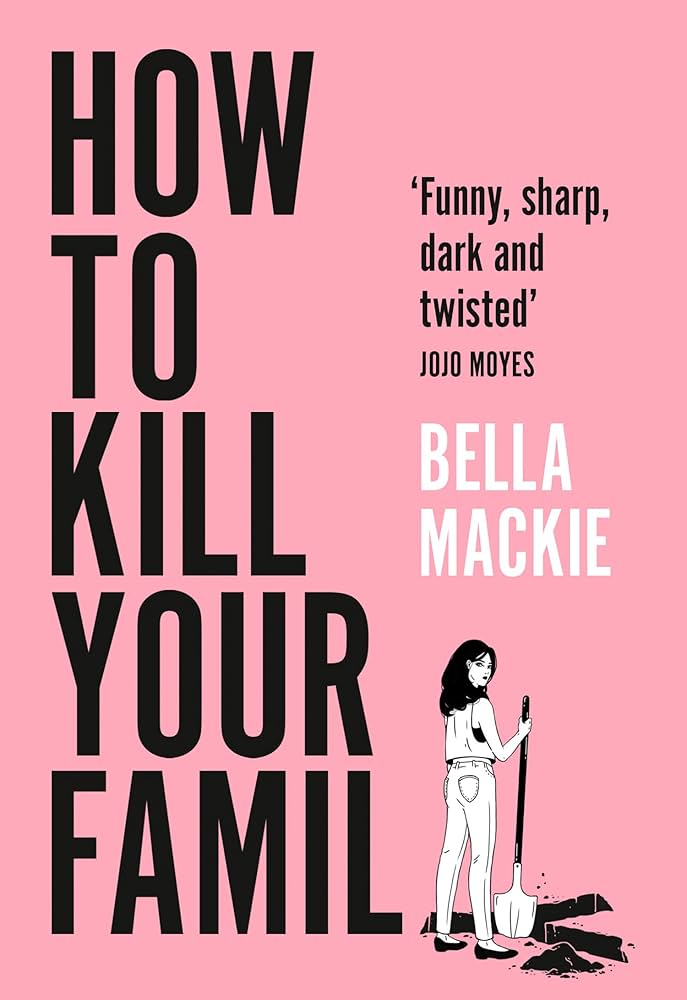
If I am being honest, a recent controversy of a woman reading this book in the metro put this book on my radar. I had read How to Kill Your Family before and was not a big fan of these How-To books. But this one changed my mind.
Imagine my surprise when the book was not actually a handbook for misandrist. In fact, this is a Batman book. The female protagonist herself compares her actions to that of Dexter and it could not have been put across any better. I imagine the person who took that photo in the metro would actually like reading about a female vigilante who goes around murdering criminals.
The protagonist Kitty Collins has a vendetta against men who abuse women and instead of mere clicking tongue at incidents of abuse, she reaches a tipping point when she accidentally murders a man heckling her while returning home at night. Kitty does not call an ambulance, she does not even scream for help. Why should she? He was about to assault her.
But the situation takes a turn when her stalker messages her saying they caught her in the act. This does not deter the abattoir-princess Kitty, she, in fact, goes on a killing spree that takes her body count to 11. All these murders are well-researched, targetted and neatly dispatched. She does not get caught. She disposes of the bodies at her family abattoir, thankfully she is a vegan.
She is a popular name in the fashion-beauty segment of social media as an influencer. She does not take blood money from her mother. She earns her own keep through her work. Her father’s disappearance is central to her social existence. We are left guessing where her father disappeared to until almost the end of the book.
This sense of purpose that she finally finds in murdering abusers take a nosedive when she ends up taking a shot at a man who was not the original target. Her perception of relationship dynamics come crashing down when a person around her is accused of assauting women and she has to decide if she will take him down or not.
My Verdict: Is This Book Worth Reading?
I had a fun time reading it, so far so that I am currently reading the sequel I Bet You’d Look Good in a Coffin.
The narrative is actually more complex than it first comes across. Beyond the expected tongue-in-cheek humour and feminist ideology taken to a violent extreme, this book is funny in tone. But the conscious reader is forced to stop and question what exactly they are laughing at.
Kitty’s relationship with her parents form a major part of her personality. The rest is made of the socio-economic strata she hails from. She is used to power even though she tries to draw a line between herself and her rich family, she has friends from this world and she mingles in that sphere. While she looks down upon poor taste and aesthetics, she is also dismissing her friends and followers alike.
Her whole career as an influencer is dependent on her tastes, which are by-products of her upbringing. Her perspective of society is funny in her scathing sarcasm, but it also revealing of her own character.
Kitty believes she is doing something good. She believes she is helping people by ridding these abusers of existence. This belief is firmly based on her own experience as a victim time and again. She is actually projecting the need for a saviour. Her very lonely life finally has a righteous purpose.
The pitying factor is two-fold. The reader is bound to feel pity for Kitty but also the fact that the existing social order has made this vigilantism to be the only path to justice is a disquietening thought.
But the double-bind of the narrative also comes into factor in the form of the question who is being criticised. Kitty is constantly calling out the filthy glitter of the social circles she belongs to, but she does not get caught for her murders, she can afford the vigilatism because of her social standing and influence as well. There is a very definitive scene describing this even if you miss out on all the resources available to her and the assumption of innocence her money and appearance grant her.
This book surprised me. I got a lot more food for thought than I had expected. What I had assumed was going to be a fun little read was a social commentary with a dominant and a subtle streak in it. Kitty was an interesting character overall and I am curious about her new boyfriend Charlie, is he actually as good as he seems or is he hiding something more insidious?
I am ready for the next book. Are you?
Pick up a copy of the book here: buy book.
Request book reviews and get updates on latest reads here: connect with me.


Leave a Reply