
I did that thing again where I picked up three books back-to-back with the same theme without knowing. This time the theme is inheritance that endangers your life. At least it is good amount of money, but the downside is that your relatives are trying to kill you.
As you can guess from the overarching theme this time, the books are mostly in the thriller genre with one firmly in fantasy and another in magic realism. Two of the books are Japanese translated fiction, one honkaku and one shin-honkaku.
Let’s dive in!
Swordheart by T. Kingfisher
T. Kingfisher is one of my most read authors since last year. As I make my way through her backlist, I have finally reached Swordheart, a book about a warrior in a sword, kind of like a genie. This swordman’s, Sarkis’, new master became Halla as she drew the sword to fall upon it. While this all sounds very serious, the tone of the narrative is not.
Halla is a respected widow living in her husband’s uncle’s house. Old Silas dies and leaves all his wealth and the house to Halla. Halla is locked into her own rooms until she agrees to marry Cousin Alver, a man with sweaty hands and afterwards, she can be disposed of as Aunt Malva claims she is too old to be of use anyway. Halla would rather die than marry Alver. When the sword produces a warrior out of it, Halla runs away with him to the nearest Temple of the Rat to get legal help.
This is the funniest book on this list because of Halla. In true T. Kingfisher characterisation, Halla, the protagonist is unapologetically herself, funny, with a carefree air stuck in a very serious situation. Her relatives are serious about getting rid of her and it all comes back to the unexpected inheritance.
The Inugami Curse by Seishi Yokomizo
Seishi Yokomizo’s Detective Kindaichi series heavily focuses on the social commentary of post-war Japan in 1950s. The Inugami Curse is no exception. As usual, the story highlights the plight of a high-society family where death has cast a long shadow. This book is on this book recommendation list because the plot revolves around inheritance and the successors.
Sahei Inugami has a silk business, he was rich in a considerable part of the country when he breathed his last and left his will to be read when all his grandsons were back from the war. This created the major plot point of the book as Kiyo, his eldest grandson was late to return and when returned, he was disfigured beyond recognition. Sahei had never taken a wife, all of his family is from his relations with his mistresses. As a deeply troubled man, he had created the complex family tree and added his benefactor’s granddaughter, Tamayo, to the equation to leave an usual will after himself.
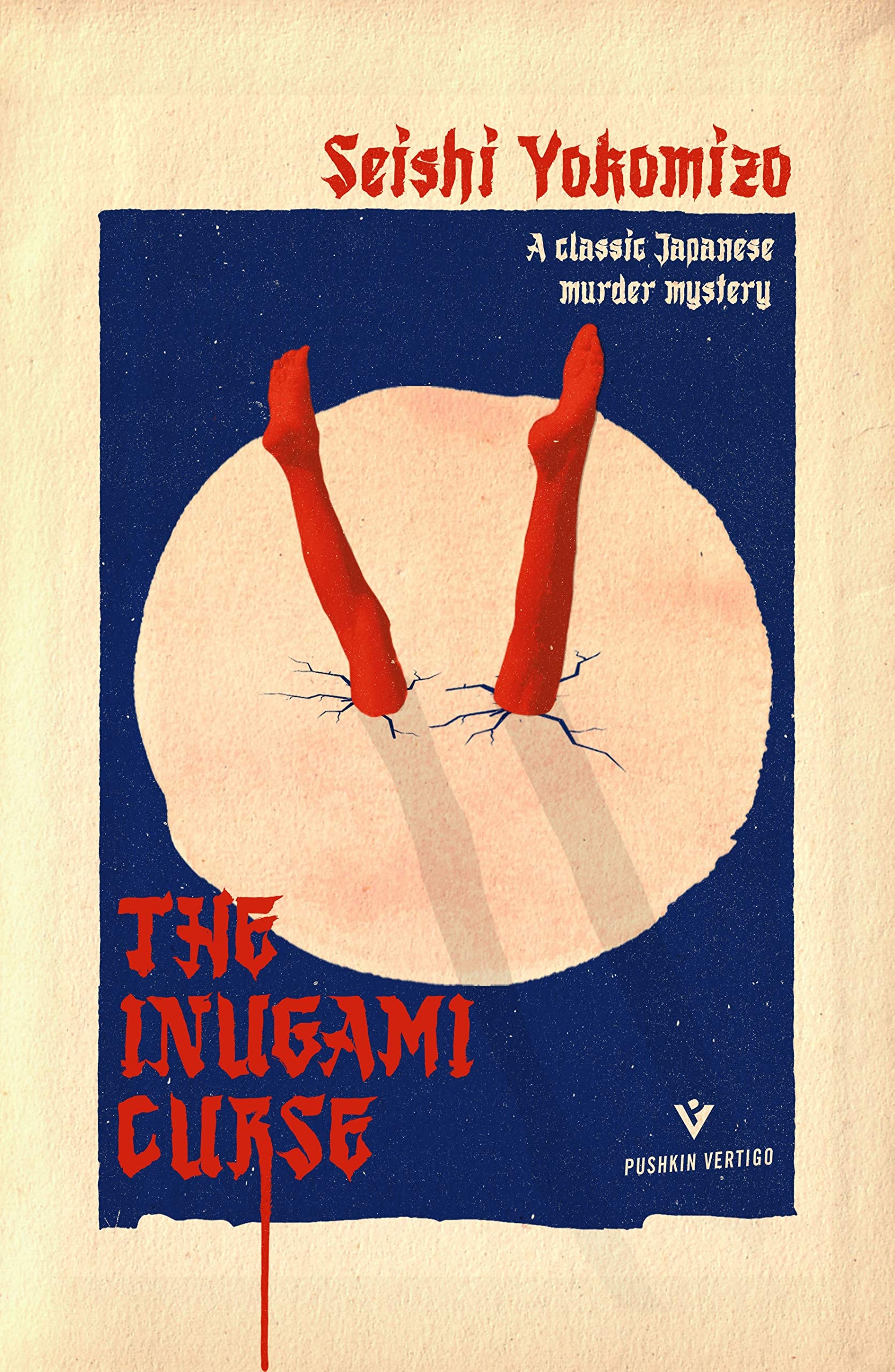
He left everything to Tamayo on the condition that she marry one of his grandsons. This complicates the relationships between the cousins and put them all in mortal danger. Moreover, remaining members of the family are all suspected of being the culprit of the gruesome murders that follow.
Sahei being a vengeful person in life is reflected in the legacy he leaves behind. His little game of a will endangers the lives of his family and drowns them in hate and chaos. He had predicted their reactions, if not the murders. This unsettling book was too dark, even for a Kindaichi story. While the axiom of the story was firmly the inheritance issue, it was a social commentary on the wealthy class after the war, overall anti-war sentiment and the position of women in society.
The Man Who Died Seven Times by Yasuhiko Nishizawa
You have already seen me gush about this book up here. I was absolutely stoked to read a murder mystery book with a side of magic realism. In The Man who Died Seven Times by Yasuhiko Nishizawa, the grandfather has had a tremendous time with lottery and gambling right when he was considering leaving the world himself after failing his family.
From the money he won, he opened up a restaurant with his remaining daughter and turned it into a chain. As the two other daughters slunk their way back into the family with their sons and daughters in the hopes of getting a share of his fortune, this vengeful grandfather starts orchestrating disadvantageous situations for the sons-in-law so that his daughters become more dependent on him.

He does this with no intention of actually choosing one successor. Every year, after the annual family gathering on New Year’s Day, he chooses one male and one female successors and he hopes that they get married and lead the company together. The twist in the tale is that once he announces that this is the final time he is about to choose his successor, he is murdered.
Fortunately for him, his youngest grandson experiences random days in loops where he is the only person aware of the loop. The day the grandfather dies, one such loop is triggered and Hisataro, the youngest grandson feels personally responsible for not only solving the murder but also preventing it.
The book is absurd and exposing—the social commentary on greed and societal expectations from familial relationships are examined in detail. The added fantastical element makes the book less of a fair play but does indeed make it an interesting read. This book is different from the other two on the list for being one where the successors are potential culprits instead of being victims.
If you like whimsical book recommendations with books across genres, you are definitely at the right place. Hit subscribe to stay updated on book reviews and recommendations and let me know which books on this list you liked best.
Feel free to connect with me on social media to keep up with current reads, mini reviews and bookish opinions.


Leave a Reply