
M. John Harrison just made history with his Booker Prize win for The End of Everything, making his book the first ever Science Fiction to win the prestigious award. While I wasn’t the biggest fan of this book, it is a pivotal moment in history for sci-fi as a genre that we have to acknowledge.
While I am an avid reader of fantasy fiction, I am only getting into the world of Sci-Fi. This has been a great year for reading the broader Speculative Fiction as TV adaptations and the release of new books in series have made a number of books popular for the layman.
Read Full Review of The End of Everything by M. John Harrison
Taking advantage of the spotlight on the wider genre, I am putting together the best of Speculative Fiction I strongly recommend you read next. These books have successfully captured the imagination of the readers. While I have read the majority of the books on this list, a few are still on my immediate TBR.
Let’s get into it!
A Master of Djinn by P. Djeli Clark
P. Djeli Clark’s A Master of Djinn is widely classified as an alternative historical fiction based in a steampunk world centering a detective looking into a mysterious arrival in town and multiple violent deaths. The book is perfect for fans of Robert Jackson Bennett’s Ana and Din Mysteries Series.
The book is set in an alternate 1912’s Cairo where the civilisation there has far surpassed as of the European and American ones. Its own religious orders, magic, djinn, curses, shrewd business ethics and mechanical contraptions are what make up the crux of this society. The story begins when a masked figure claiming to be Al-Jahiz returned kills a room full of European aristocrats known as the Brotherhood of Al-Jahiz.
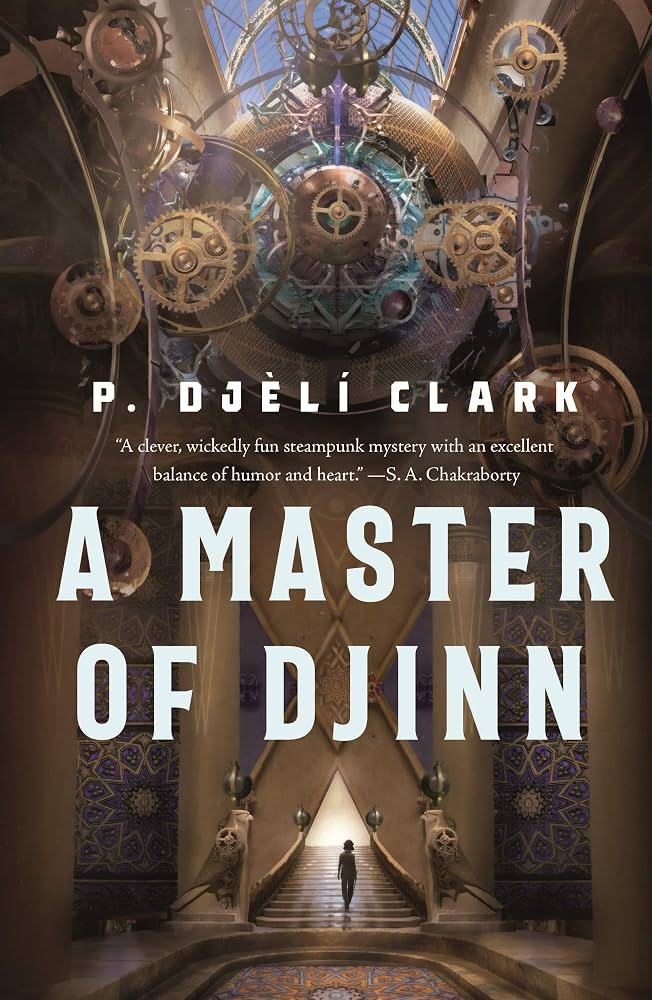
This alternate historical fantasy is rooted in academic and social critique. From imperialism, racial inequality to social oppression and the cost of decentering the West, crucial thematic depth gives this book its literary quality. The readers find a queer detective in the protagonist, Fatma while she solves crimes, fights otherworldly powers and brings the murder to justice.
This book is the only full-length novel in the Dead Djinn universe, to be read as a standalone. But it has 3 short stories and novellas as prequels. The author has not confirmed a full-length sequel yet.
Buy book here.
Chain-Gang All-Stars by Nana Kwame Adjei-Brenyah
Chain-Gang All-Stars is a book on my immediate TBR for 2026. While I haven’t yet gotten to read this book yet, Nana Kwame Adjei-Brenyah’s speculative fiction is perfect for the fans of The Hunger Games trilogy by Suzanne Collins. If you have been around my socials, you already know that I only just finished reading The Hunger Games for the first time this week. I am looking forward to jumping into this book next.
This dystopian sci-fi has political satire as a major theme. With the premise being a private prison system where inmates fight to death for a chance at freedom, it cannot get any less subtle. The fights are televised and the program is government sanctioned.
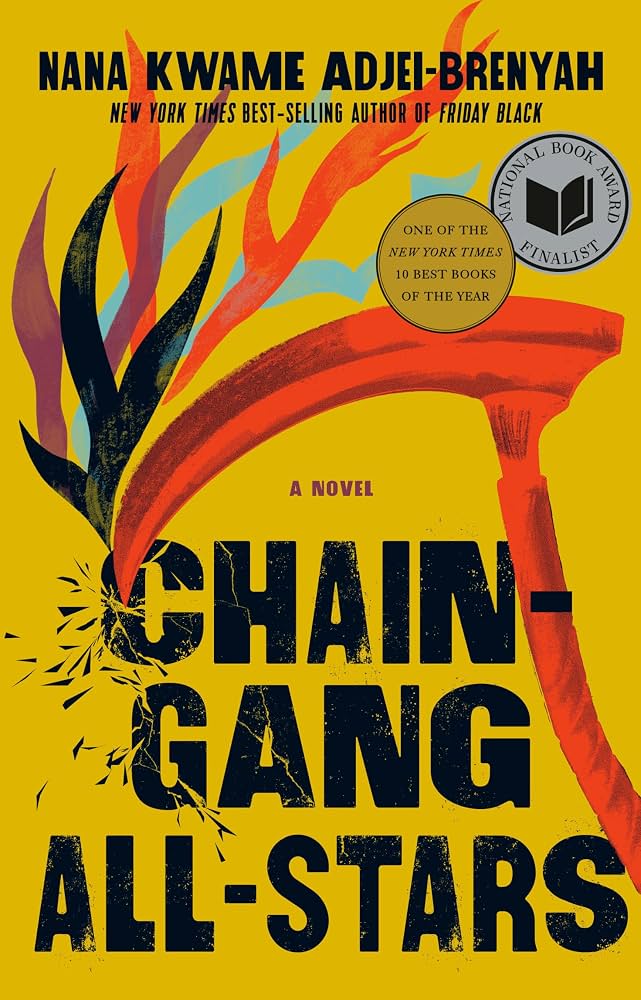
It is the multi-pov narrative and the footnotes denoting fictional anecdotes and real-world stats that elevate the style of this book from being simply action-packed to a book with thematic depth and complexities. The sharp societal critique, questioning the prison system and drawing attention to marginalised people, give this book the ingredients for its potent relevancy.
The book has been noted for its cinematic structure and potential Hollywood deal. However, Chain-Gang All-Star has not been picked up by any studio yet.
Buy book here.
The Book Eaters by Sunyi Dean
I am currently reading The Book Eaters by Sunyi Dean and the author herself categorises this book as a wide Speculative Fiction. Combining genres such as fantasy, horror, thriller with elements of fairy tales, the wider umbrella fits the story perfectly.
Sunyi Dean paints a grim picture of society where the restrictive patriarchal society is explored through complex characters. Their morality, generational trauma and survival is situated on a supernatural axis of creatures eating books and memories.
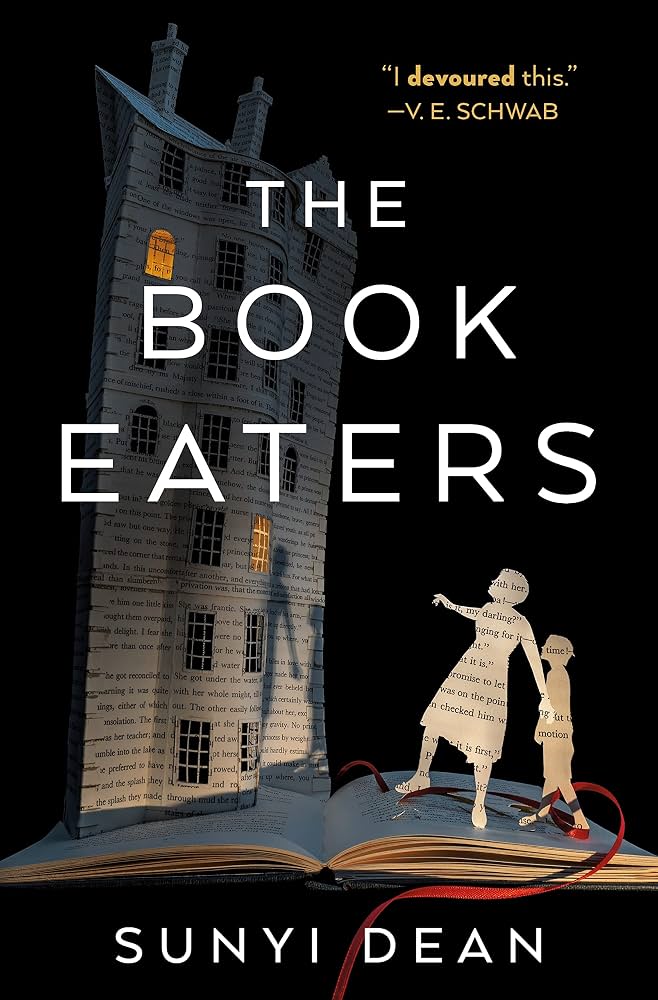
Beyond the genre hybridity, the overarching atmosphere is crafted with such brilliance as to strike a perfect balance between speculative world-building and character-driven literary depth.
It is a little weird to say I am devouring this book, but I absolutely am. The high-fantasy concept is well-suited to the language employed in this debut novel. If you are looking for a book about books, this speculative fiction novel is also a great pick for your TBR.
Buy book here.
Piranesi by Susanna Clarke
I do not think anyone can make a must-read Speculative Fiction recommendation list without including Piranesi by Susanna Clarke. This book is the perfect example of literary speculative fiction, and you have to go into this completely blind.
When I first tried to read Piranesi, I DNF-ed it. I could not understand what was going on. The narrator was confused, I was very confused and the book was just not clear about where it was going. When I finally finished reading Piranesi, I understood the reasons for which I had DNF-ed it previously were the exact reasons why I should have kept going.
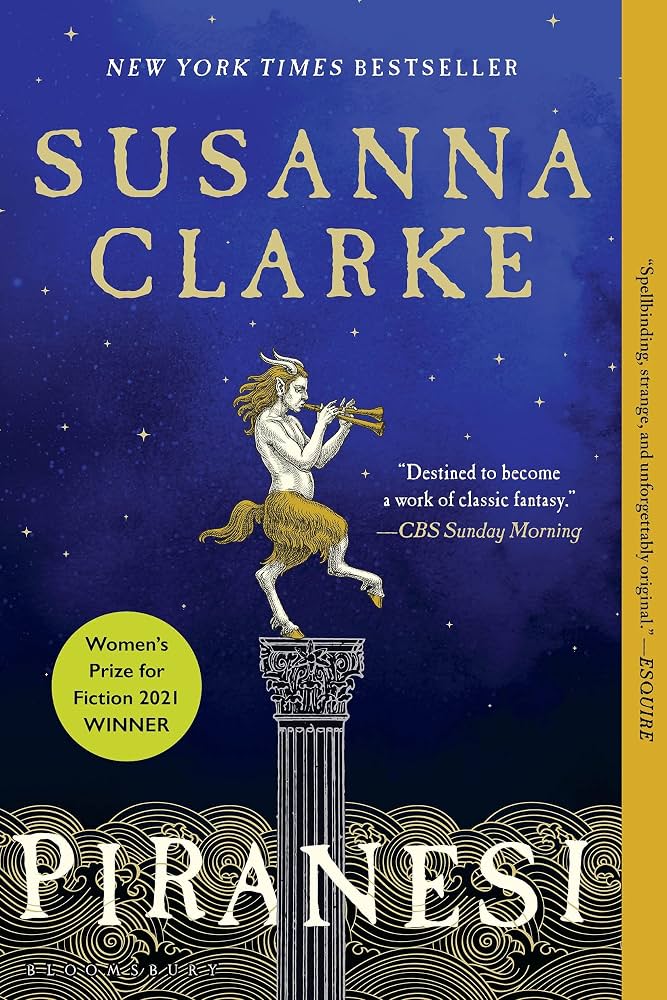
At 285 pages, the book sits at the sweet spot for novels. So, the confusion does not last too long, and the payoff is worth it. You will, in fact, meet only two kinds of readers: one, who has DNF-ed the book because it made no sense and the other, who has loved it.
The book is a portal fantasy combining magic and sci-fi in a book where brevity seems like its primary concern. Readers are purposefully left confused in a vast marble palace with the narrator where statues and stupendous rooms litter the space. There are no other people there or something like that. You see how I am not really telling you anything about the book? That is on purpose. You will actually thank me for letting you go into Piranesi blind.
Buy book here.
The Memory Police by Yoko Ogawa
Yoko Ogawa’s The Memory Police was Shortlisted for The International Booker Prize in 2020. This curious story follows a woman on an island where both tangible and intangible things are disappearing.
What begins as disappearances of simple daily objects turn to concepts and to human limbs. With the disappearances, the inhabitants of the island forget the use of those things. There are enforcers to ensure these disappeared things do not exist in society anymore.
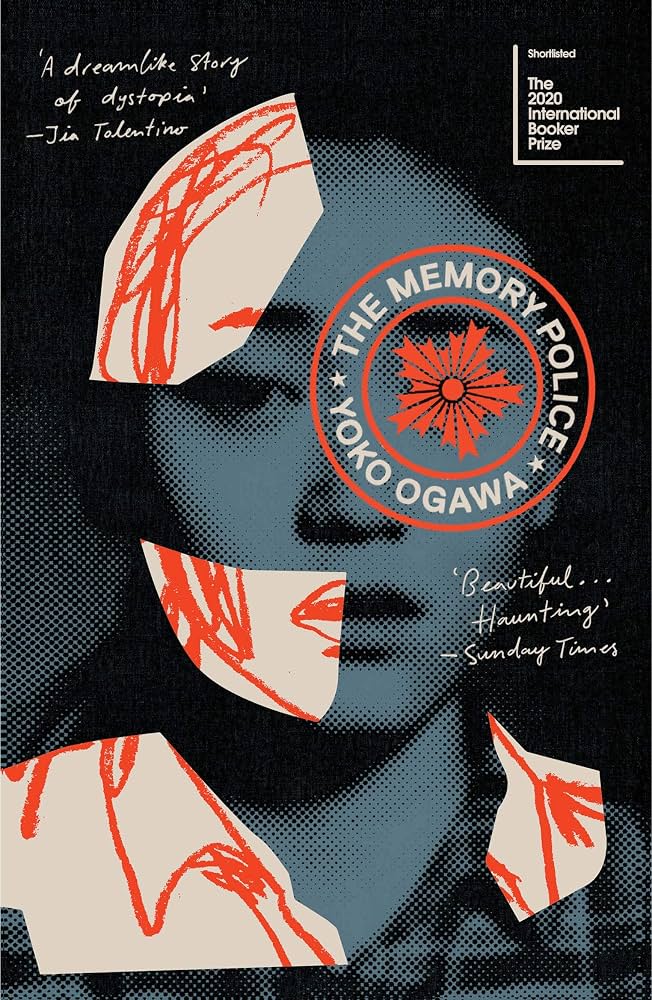
The chaos begins when the narrator comes across other people who remember the disappeared objects and herself starts to question the disappearances. What seems like a simple enough plot, thickens with the constant anxiety of the next disappearance and not knowing what it all means.
Yoko Ogawa has successfully captured the reality of living under authoritarian regimes and trying to make sense of the ever-changing world without being able to parse the reason behind the changes.
Have you read any of these literary speculative fiction novels yet? Which books have made you appreciate the language of the new reality best? Mention them in the comments here.
Request book reviews and get updates on latest reads here: connect with me.


Leave a Reply